انتشار ترجمه فارسی کتاب دنیای بدون قانون نوشته فیلیپ سندز
“In the early summer of 1999, a few weeks after the House of Lords gave its third and final judgment in the Pinochet case, I was in Tehran . A professor at the University’s Law School invited me to give an early evening lecture to his graduate students, on an international law topic of my choosing. I opted for the Pinochet judgment, although with some trepidation. The professor did not dissuade me. I assumed that the Court’s decision not to recognize Pinochets’s claim to immunity would be taken as a further example of colonialist/imperialist tendency endemic in British culture, including its legal culture, and an inability to refrain from meddling in the internal affairs of Chile, another state.
The safest approach, I thought, would be to describe the case, say what happened and leave it at that. Don’t give my own views on the rights and wrongs of the judgment. Don’t provide a lecture on the triumph of international law. Just say what happened, take the questions. That is what I did, to a room overflowing with several hundred of Tehran ’s finest law students, at least half of whom were wearing chadors.
They listened attentively, and during my lecture numerous hands were raised to make requests for clarification. I was not quit sure what to expect once I had finished, after about forty minutes of storytelling without analysis or critique. The response came as a surprise. Many, many hands were raised. The discussion ran for more than two hours. It could have continued for much longer. Even from the early questions it became clear that a great number of people in the room were knowledgeable about every twist and turn in Pinochet’s case, from the minutiae of the Convention against Torture to the role of Amnesty International. From the comments it was viewed as the right decision. Surprise or criticism was directed not at the House of Lords but at me: why the reticence about the decision, why was I not more positive, why did I embrace the case as a great moment for international law and the cause of human rights? In private discussion after the event many of students were even more open. ‘you have understand, I hope, why so many of us in that room, at this university, in this city would follow a case like Pinochet; was the way one student put it.
This is not what I had expected in Tehran . It was striking that international law had provided a common language to explore complex moral and political issues faced by just about every country in the world: how to balance power and law, how to make political leaders globally accountable for their local actions. Given the political and religious divides, the surprise in Tehran was that the Convention against Torture and its application by the House of Lords was not taken as imperialist law: there will always be room for disagreement as to what a particular rule of international may require a state to do, but there is general acceptance that the Convention’s requirements are law.”
( See: Philippe Sands, Lawless World: American and the Making and Breaking of Global Rules, 2005, pp. 223-224)
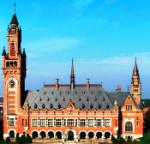 به منظور توسعه و ترویج حقوق بین الملل در ميان جامعه ايراني اخيرا با همت تعدادي از اساتيد و صاحبنظران مسايل حقوق بين الملل، موسسه حقوق بين الملل پارس تهران به شماره 30733/ث32/86 مورخ 28/12/1386 به ثبت رسيد. هدف اصلی موسسه مطالعه و پژوهش در زمینه موضوعات حقوقي بین المللي، حمايت از چاپ و انتشار تاليفات مرتبط با حقوق بين الملل و برگزاری سخنرانی ها و نشستهاي علمي مي باشد. در اين راستا از كليه اساتيد، محققان و دانشجویان علاقه مند به همكاري دعوت مي گردد، درخواستهاي خود را به انضمام برگه ای مشتمل بر پيشينه تحصیلی و تحقیقاتی خود به پست الكترونيك موسسه ارسال نمایند.